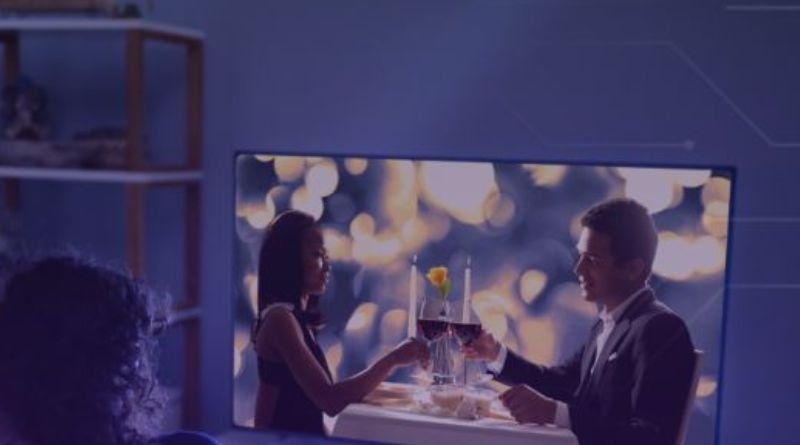
The shift from traditional television to on-demand streaming has rewritten the rules of attention. Viewers now hold the remote—or more accurately, the remote holds them—with the power to skip, mute, or abandon content in seconds. In this environment, advertisements that once relied on captive audiences must earn every moment of consideration. Simply inserting a thirty-second spot between episodes no longer guarantees results. The most effective streaming ads today are those designed with deliberate respect for the viewer’s time, preferences, and emotional state. They blend into the viewing experience rather than interrupt it, turning potential friction into moments of genuine connection.
Understanding the Attention Economy of Streaming Platforms
Streaming services have trained audiences to expect control. Auto-play next episodes, personalized recommendations, and frictionless interfaces create an environment where any forced interruption feels like a breach of trust. Data patterns consistently show that completion rates for mid-roll ads drop sharply after the first few seconds unless the creative immediately signals relevance. This reality demands a fundamental redesign of advertising strategy. Rather than treating the ad as a separate commercial message, successful designers treat it as an extension of the content the viewer already chose.
The most common failure occurs when brands import linear-TV creative into streaming environments without adaptation. Bright, high-energy spots that work in scheduled programming often feel jarring against the quieter, more intimate tone of many streaming series. Viewers notice the mismatch instantly. Engagement begins with tonal alignment—matching the energy, visual language, and pacing of the surrounding content so the transition feels intentional rather than opportunistic.
Crafting Narrative Moments Instead of Interruptions
Storytelling remains the most reliable path to engagement, yet its application in short-form streaming ads requires precision. A compelling narrative arc can unfold in fifteen or twenty seconds when every frame advances character, conflict, or resolution. The key is starting in the middle of the action rather than building slowly toward a product reveal. Viewers who have already invested in a narrative world respond more readily to ads that feel like brief companion stories rather than sales pitches.
Consider the difference between an ad that opens with a product close-up and one that opens with a recognizable human dilemma. The second approach creates immediate emotional entry. When the product appears later as a natural solution within that story, it arrives with earned credibility. Brands that master this technique often report higher brand-lift scores because viewers remember the feeling associated with the ad long after they forget the specific product features.
Personalization That Feels Helpful Rather Than Intrusive
Streaming platforms collect rich viewing data, yet many advertisers still deploy one-size-fits-all creative. True engagement emerges when personalization moves beyond basic demographic targeting into contextual relevance. An ad for outdoor gear appearing during a nature documentary lands differently than the same ad inserted into a true-crime series. Advanced systems can now adjust messaging, visuals, and even product emphasis based on the specific title, genre, or viewing time of day.
The line between helpful and invasive is thin. Viewers tolerate personalization when it demonstrably improves their experience—showing them products they are already researching or content aligned with recent interests. They reject it when the ad reveals knowledge that feels too intimate or when the same creative follows them across multiple platforms with unnerving consistency. The most sophisticated campaigns use frequency capping and creative rotation to maintain freshness while still leveraging available data signals.
Interactive Elements That Invite Participation
Passive viewing is giving way to participatory formats on many platforms. Shoppable overlays, choose-your-own-outcome sequences, and simple poll mechanics transform the ad from something watched into something experienced. These features work best when they remain optional and low-friction. A viewer should never feel forced to interact; the opportunity should feel like an invitation rather than a requirement.
Successful interactive designs often serve dual purposes. They gather first-party data about preferences while simultaneously increasing time spent with the brand. A fashion retailer might allow viewers to select preferred colorways that then influence subsequent product recommendations. A travel brand might let audiences vote on destination themes that shape the next episode of a sponsored series. In both cases the interaction deepens engagement without derailing the primary viewing session.
Measuring Success Beyond Traditional Metrics
Click-through rates and completion percentages still matter, yet they capture only part of the value created by well-designed streaming ads. Brand lift studies, sequential messaging tests, and long-term attribution models provide richer insight into whether an ad actually moved perception or purchase intent. Forward-looking teams also track secondary behaviors—search volume spikes for the brand after exposure, social mentions of specific creative elements, and shifts in content affinity scores among exposed audiences.
Creative testing has become essential. Small variations in opening frames, voiceover tone, or end-card design can produce outsized differences in performance. The most effective teams treat every campaign as a learning opportunity, systematically isolating variables and feeding results back into the next round of production. This iterative approach prevents the common trap of over-relying on a single high-performing asset until it fatigues.
Balancing Brand Ambition With Viewer Respect
The ultimate measure of engagement is whether viewers feel the ad added something to their experience rather than subtracted from it. Brands that consistently prioritize this standard build long-term equity that transcends any single campaign. They understand that streaming platforms are not simply new distribution channels; they represent a different psychological contract with audiences. Honoring that contract requires restraint as much as creativity—knowing when a quieter, shorter message will outperform a louder, longer one.
Designers who internalize this principle produce work that feels native to the medium. Their ads respect the viewer’s intelligence, match the emotional temperature of the content, and leave enough space for the product to breathe. In an environment where attention is both scarce and fiercely protected, that combination of insight and restraint becomes the most reliable path to genuine connection.